When Speed Backfires - Why Modern Tech Failures Prove That Developers Must Own Quality

Over the last two years, the tech world has seen some of the most expensive, high-visibility product failures—bugs that slipped into production, broke global workflows, and cost companies millions in revenue and reputation.
From misconfigured cloud releases, to faulty AI rollouts, to payment outages, the pattern is the same:
- Velocity has increased. Quality has not.
- AI is writing code. Humans are shipping fast. Yet bugs are shipping faster.
This raises a critical question for 2025 and beyond:
If AI helps write code… is that code bug-free?
My opinion - No. AI accelerates output, but without guardrails, it accelerates defects too.
This blog breaks down the most important tech failures recently, why they happened, and how companies can evolve toward a developer-owned, AI-assisted quality culture.
The High-Profile Tech Incidents That Exposed Massive Quality Gaps
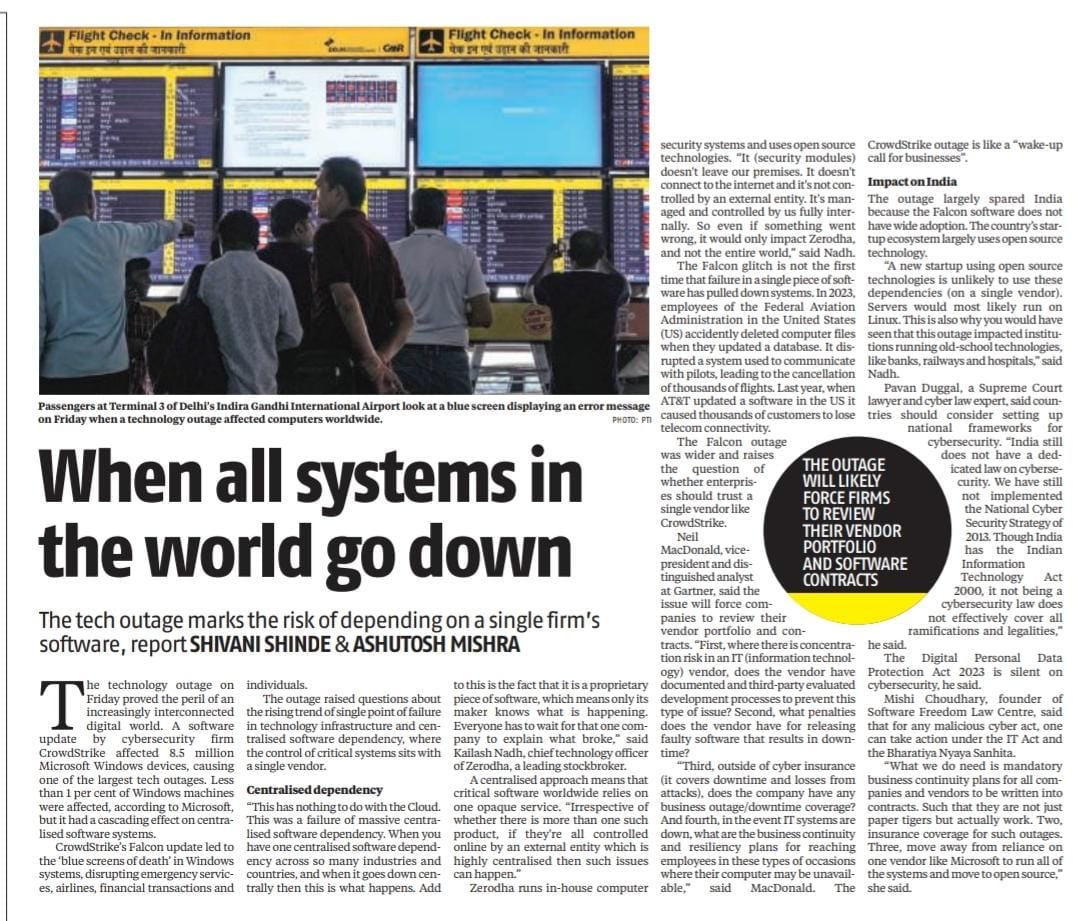
Below are real, widely reported incidents across the industry (examples are generalised for clarity—no confidential reports):
Cloud Misconfiguration That Took Down Thousands of Apps
A major cloud provider shipped an internal patch that inadvertently caused:
- Multi-region downtime
- Broken authentication flows
- Failed deployments across customers
Many SaaS products relying on this provider saw hours of outage—triggering SLA penalties and cascading customer churn.
Root cause: Unsafe patch rollout + missing pre-deployment test coverage.
Faulty AI Rollout That Broke Global Workflows
A major AI platform released an update that:
- Misclassified 80% of text as spam
- Blocked legitimate business emails
- Caused widespread communication chaos
Millions of users worldwide experienced delays, lost productivity, and security breaches.
Root cause: Inaccurate AI model training + insufficient testing for real-world edge cases.
E-commerce Platforms That Lost Orders During Peak Sales
Black Friday 2024 saw multiple ecommerce platforms face:
- Cart failures
- Checkout errors
- Payment gateway loops
- Duplicate orders
Root cause: Poor load testing and lack of end-to-end automation in the personalization/catalog pipelines.
Pattern Across All Incidents
- Bugs were not caught early.
- QA was treated as a separate downstream process.
- Developers shipped fast, but the quality checks lagged behind.
- Testing was not baked into development.
- AI assistance increased speed—but also increased the number of unreviewed changes.
Why These Failures Are Only Increasing in an AI-Driven Development Era
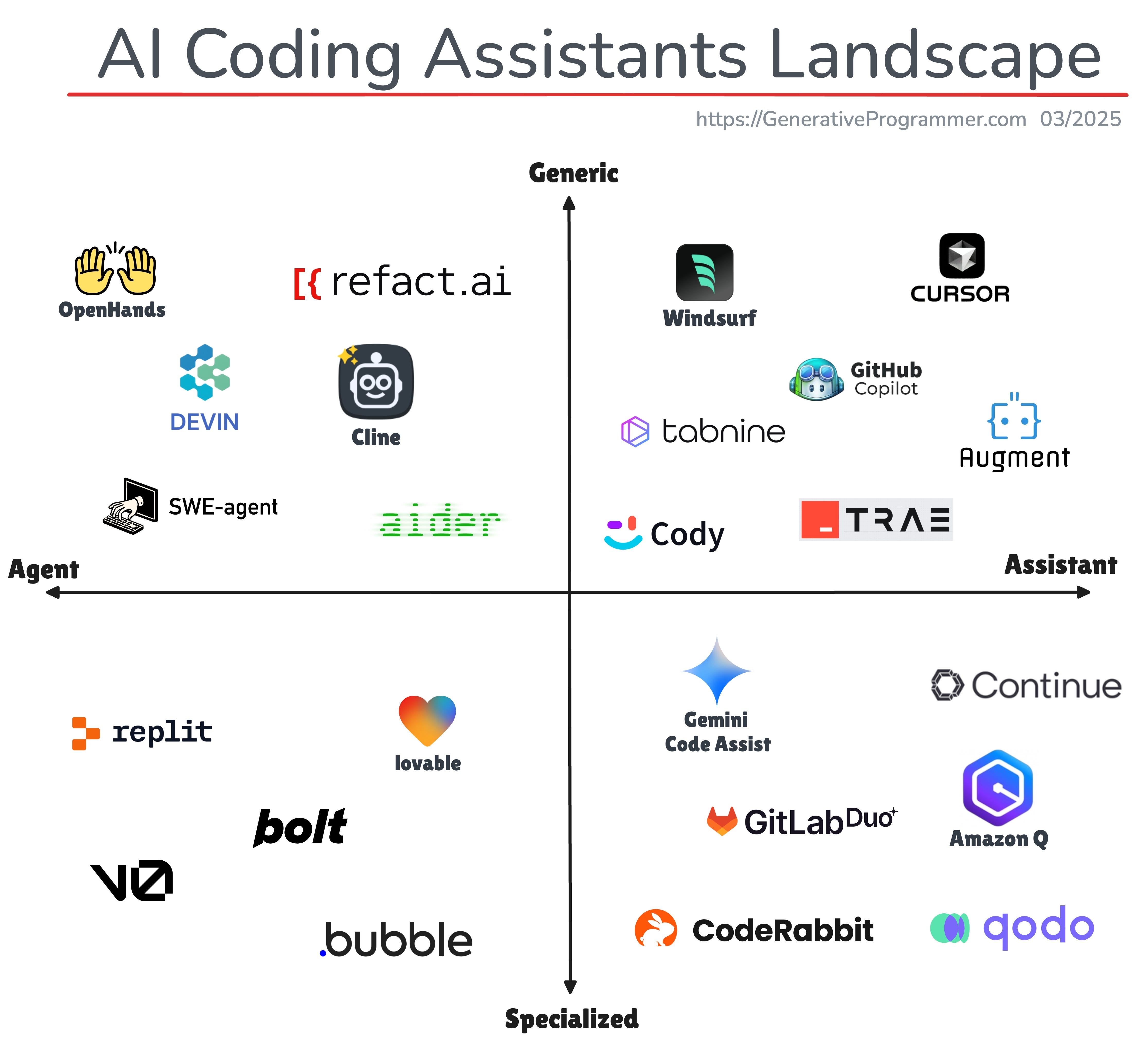
Companies adopting AI coding assistants are seeing 5X more code produced per developer.
But unless you improve quality at the same rate, here's what happens:
More Code → More Bugs → More Revenue Loss
AI generates syntactically correct code, not context-aware or business-rule-safe code.
AI doesn't know your:
- Product vision
- Infra limitations
- Regulatory requirements
- Side effects of schema changes
- Legacy code dependencies
- Scaling architecture
Most importantly: AI doesn't understand unintended consequences. AI cannot replace systematic QA.
This is why companies are witnessing an unexpected phenomenon:
AI accelerates engineering velocity, but breaks production more often.
And my take on how this can be fixed -
Developers OWN quality end-to-end.
Coming from a core engineering background, I have always believed in quality and have been trained to think quality while writing code.
The New Quality Mindset: Developers Own Quality. QA Is a Safety Net. Not a Gate.
This is the biggest cultural shift companies are waking up to in 2025.
If you wrote the code, you are responsible for ensuring its correctness.
This means:
1. Every line of code should have a test case - Unit tests, Integration tests, Component tests, API tests, Schema & contract tests
2. Test coverage must be measurable & enforced - Coverage gates in CI, Mutation testing, Static analysis checks
3. Automated tests must run on every PR - No ignored tests, No flaky tests, No "works on my machine" tests
4. End-to-end tests should mirror real user journeys - Not synthetic checks—but real flows that your customers experience.
5. Quality guardrails must be embedded into development - Broken UI detectors, Visual diff tests, Performance regressions, Network call validations, Cross-browser checks, Data validation tests
6. AI-generated code must be validated like any other code Treat AI code as a junior developers output - fast, helpful, but highly review-dependent.
7. What Companies Are Moving Toward - "Quality-Driven Development" (QDD) This is the movement DevAssure has been strongly advocating.
Quality-Driven Development (QDD) = Test before build + test during build + test after build.
QDD Practices Include:
- Generate test cases from Figma, Jira, or API schemas
- Run rapid automation in-sprint
- Adopt visual regression guardrails
- Validate network calls automatically
- Use AI agents as early “bug detectors” during development
- Integrate CI test orchestration
- Build zero-flakiness pipelines
QDD shifts focus from catching bugs late → preventing bugs early.
What Happens When Developers Don't Own Quality?
This is what I've seen based on my experience and conversations with customers -
- 3X - 5X cost increase when defects reach production
- $300k+ revenue loss per hour for mid-size SaaS outages
- 40% chance of churn if critical flows break
- Team morale dips due to firefighting
- Delayed roadmap due to hotfix cycles
- Reputational damage in public incidents
And in AI-accelerated engineering, this escalates further.
What Happens When Developers Do Own Quality?
Companies that embed quality into engineering see: (This is based on the hands on experience I've had while I was an Engineer at Microsoft)
- 60 - 80% fewer production bugs
- 5X faster in-sprint automation
- 99% reduction in UI flakiness
- 40 - 60% reduction in QA cycle time
- Stronger developer confidence & faster releases
The cultural shift alone creates a compounding velocity advantage.
So… Is AI-Generated Code Bug-Free?
Absolutely not.
AI code is Fast, Convenient, Helpful, Often correct. But also Context-blind, Non-deterministic, Not tested, Not optimized, Not checked for side effects, Not validated by real user journeys.
AI should write code. Developers should own quality. QA should provide safety nets. Automation should enforce guardrails.
This is the only sustainable model for the next decade.
Quality Is No Longer Optional — It's a Competitive Advantage
Modern systems are too distributed. AI-generated code is too abundant. Release cycles are too fast. Customers are too impatient.
Companies that invest in developer-driven quality will ship faster, safer, and with fewer outages.
Companies that don't… will become the next headline.